
Explore
Australian Outback
The Australian Outback usually means remote dry-country travel where heat, distance, and support spacing dominate.
This profile is the quick overview of why people go, what the year changes, and what kind of trip Australian Outback usually becomes once you move past the simple version and start planning in detail.
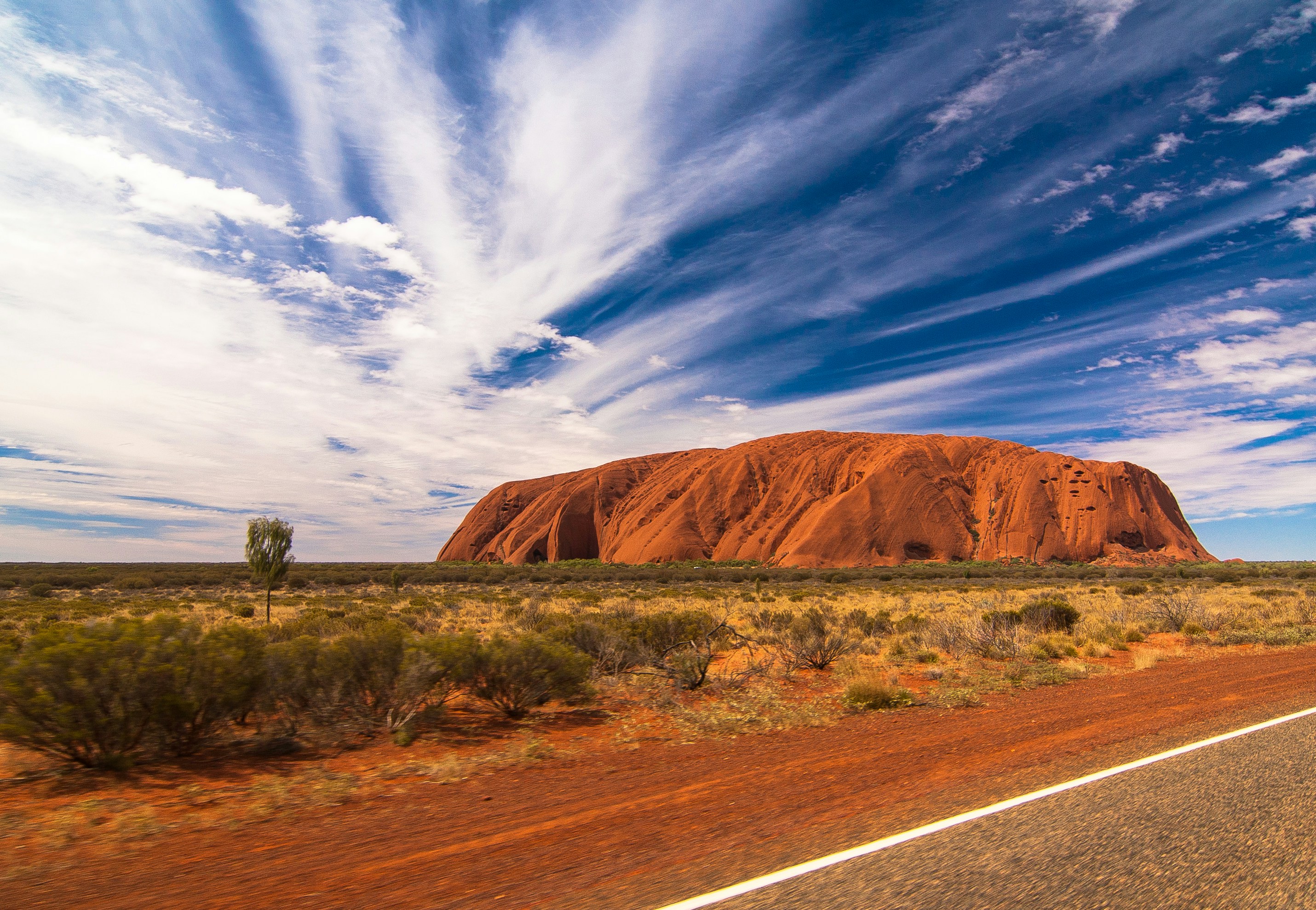
Destination identity
Distance, heat, communication gaps, and slow recovery carry more weight than route complexity.
- - Plan for water, fuel, communications, shade, heat timing, and long gaps between help.
- - The key decisions are support spacing, vehicle readiness, route margins, and when to stop moving.
Common trip types
These are common ways people approach Australian Outback. Use them as starting points, not limits.
In the footsteps of explorers
The Australian Outback carries one of the great distance stories: heat, remoteness, track culture, settlements far apart, and landscapes that can feel open in a way that quickly turns serious. It is a place where logistics and exposure have always mattered together.
That still matters because the Outback rewards people who treat remoteness, heat, and support as core parts of the trip rather than background detail.
Read the full Outback storyYear and seasonality context
This is the broad year overview for Australian Outback. Use it to see when the place becomes easier, when it becomes more limited, and when it starts asking for a different style of trip.
Select a season to preview that part of the year. The season will carry into the guide or planner when you move on.