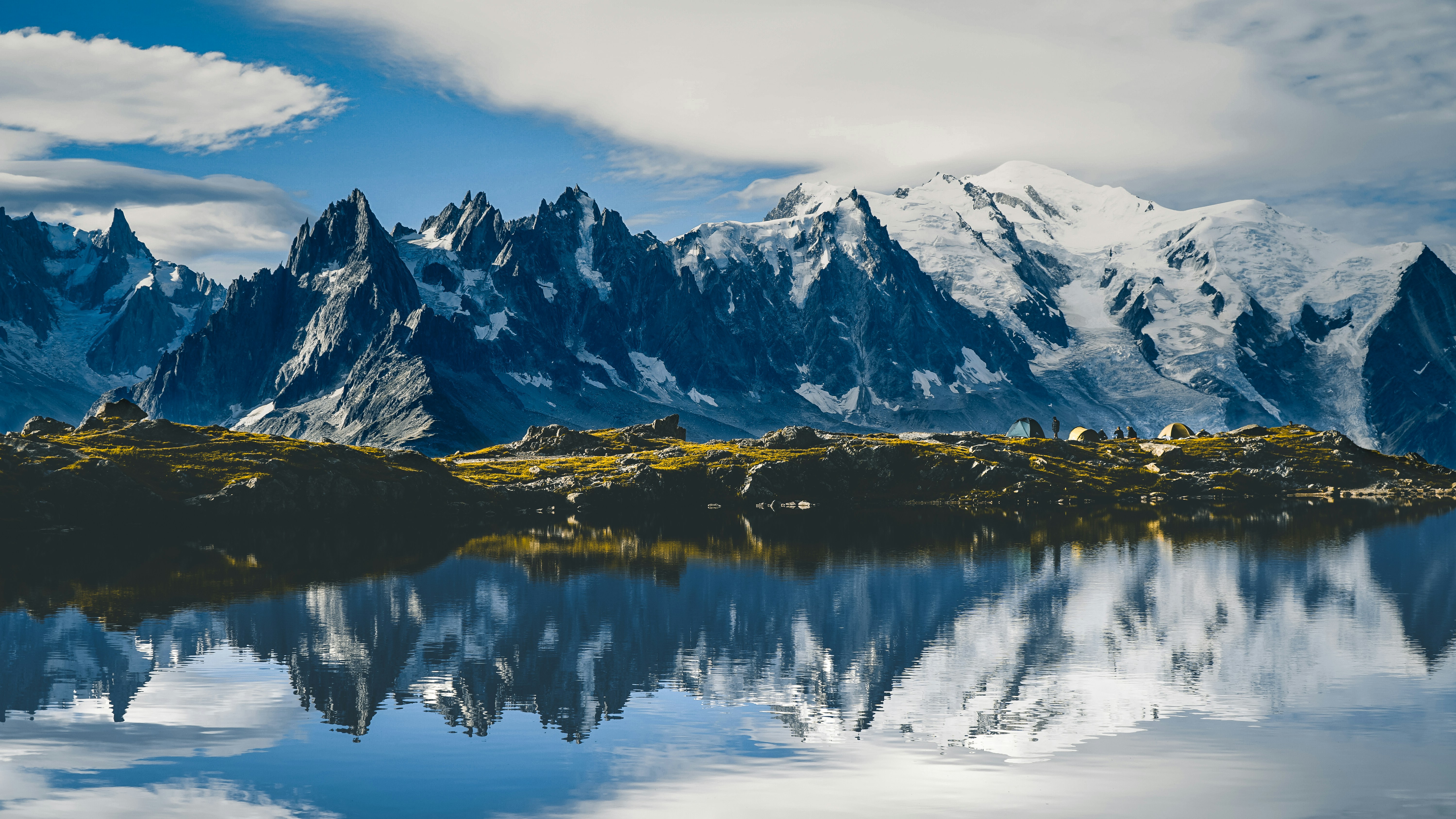
Mont Blanc / Chamonix area
Mont Blanc usually means high alpine travel where valley access sits close to glaciers, altitude, and exposed terrain.
Trips often mix huts, lifts, famous routes, glaciers, passes, valley bases, and exposed high ground.
Mountain travelHiking or trekking
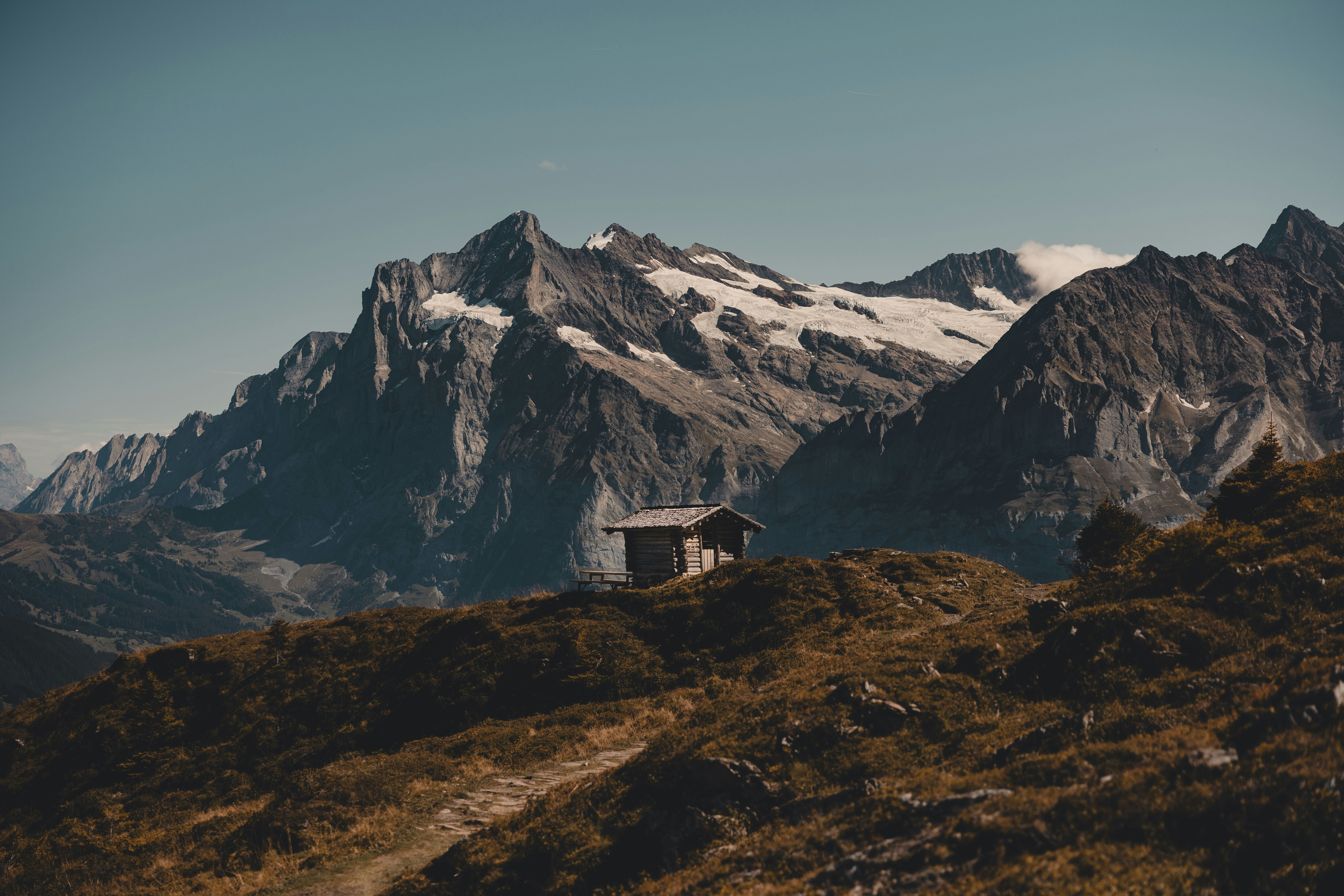
Open profileBernese Oberland
The Bernese Oberland usually means glacier-backed alpine travel where polished access sits below serious high terrain.
Trips often mix trains, lifts, huts, glacier views, valley bases, passes, and exposed stops.
Mountain travelHiking or trekking
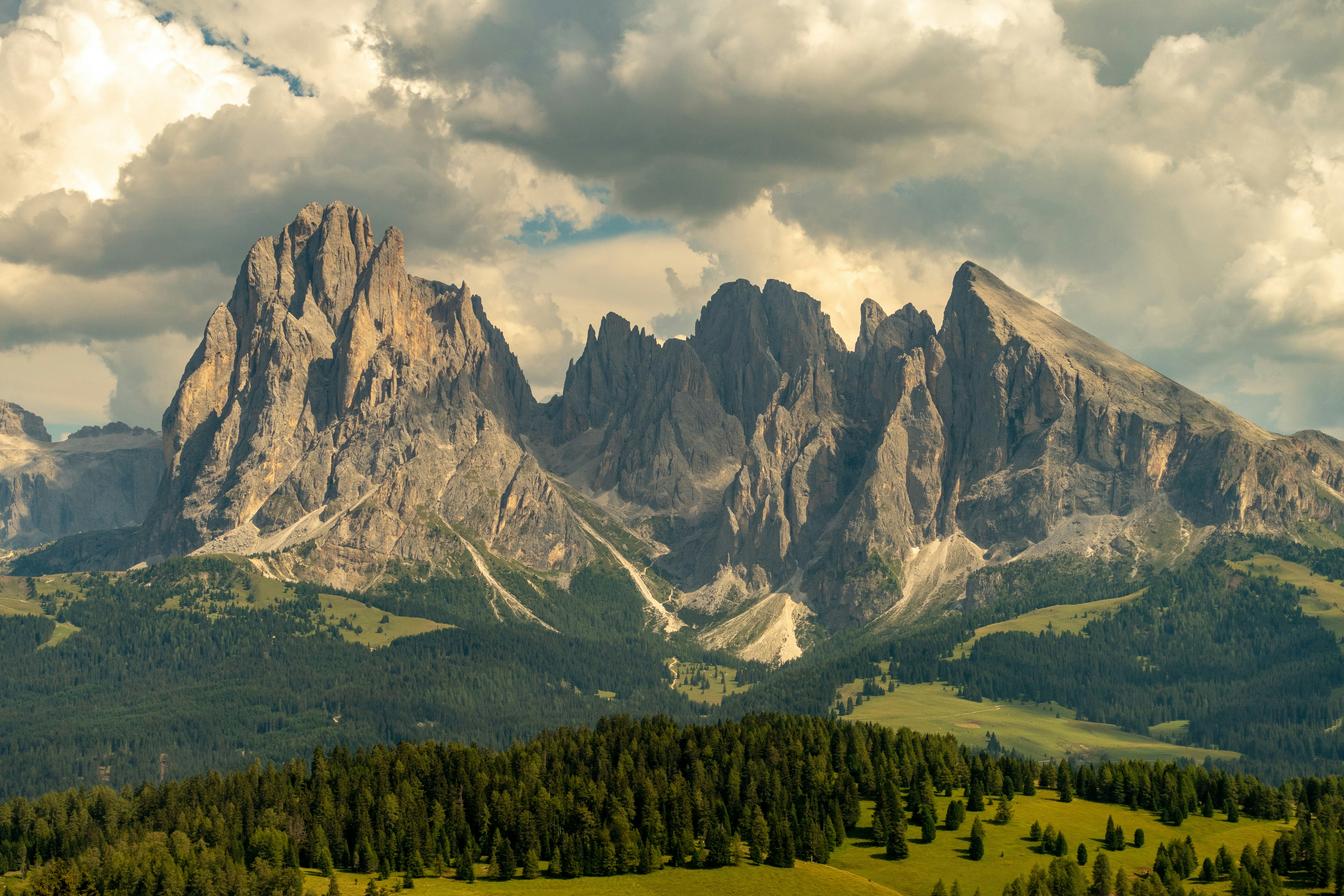
Open profileDolomites
The Dolomites usually mean dramatic limestone mountain travel where beauty, huts, storms, and exposure sit together.
Trips often mix hut routes, passes, towers, roads, lifts, traverses, and exposed scenic movement.
Hiking or trekkingMountain travel
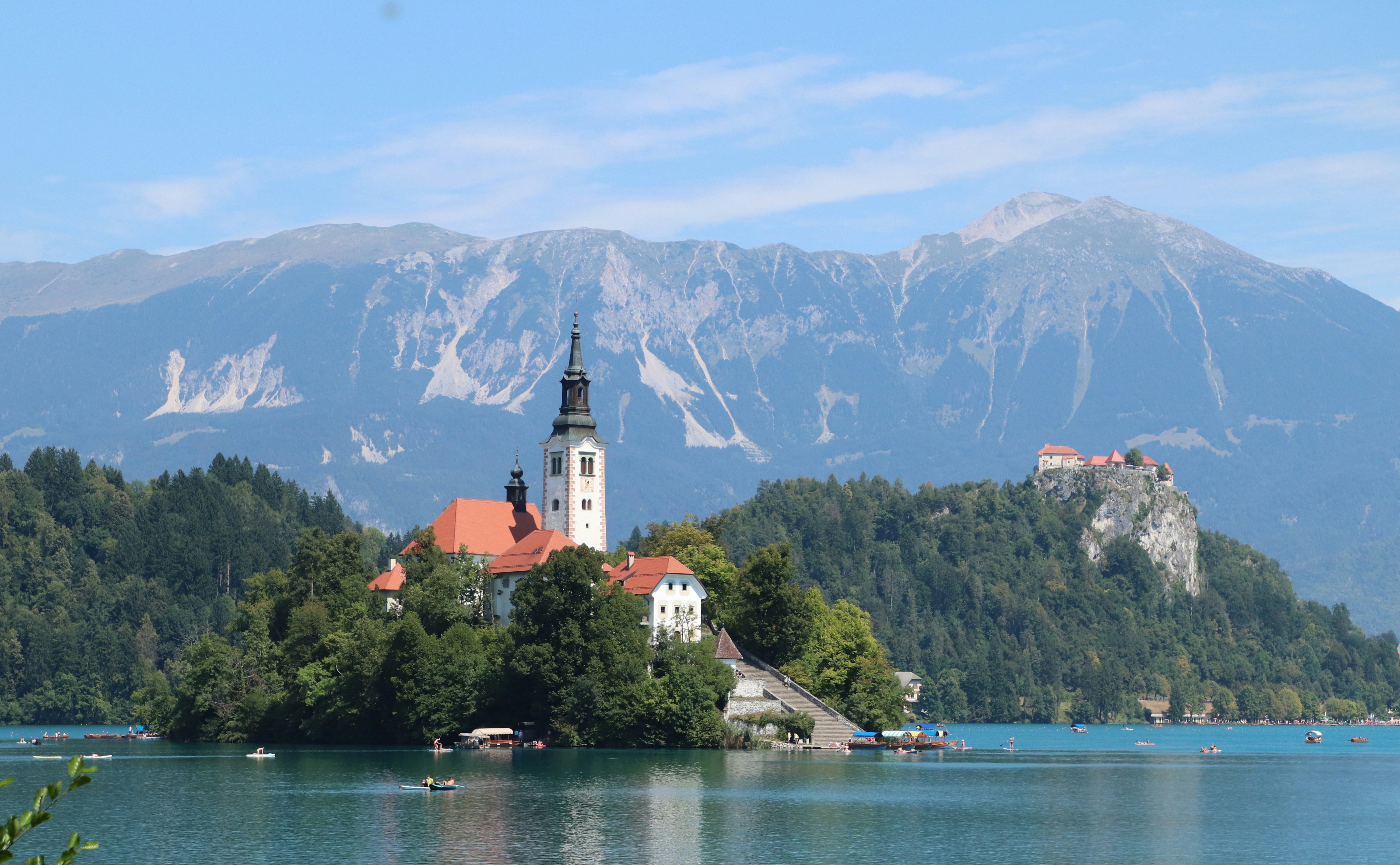
Open profileJulian Alps
The Julian Alps usually mean compact mountain travel where steep limestone, fast weather, and exposure arrive quickly.
Trips often mix huts, passes, short approaches, steep ground, ridges, and abrupt weather changes.
Hiking or trekkingMountain travel
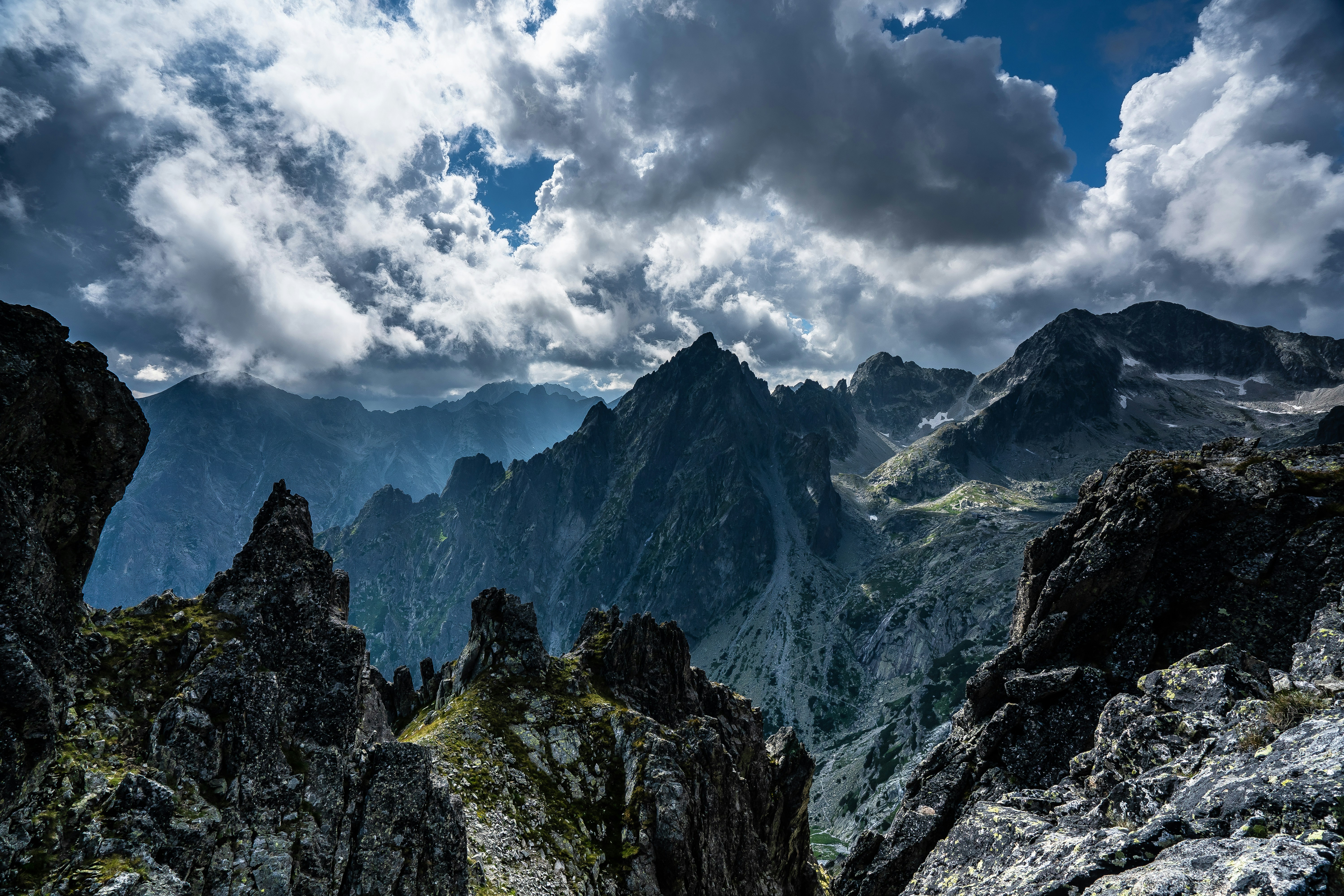
Open profileTatra Mountains
The Tatra Mountains usually mean compact, steep mountain travel where exposure and weather arrive fast.
Trips often mix short approaches, steep paths, ridges, winter conditions, huts, and tight valleys.
Mountain travelHiking or trekking
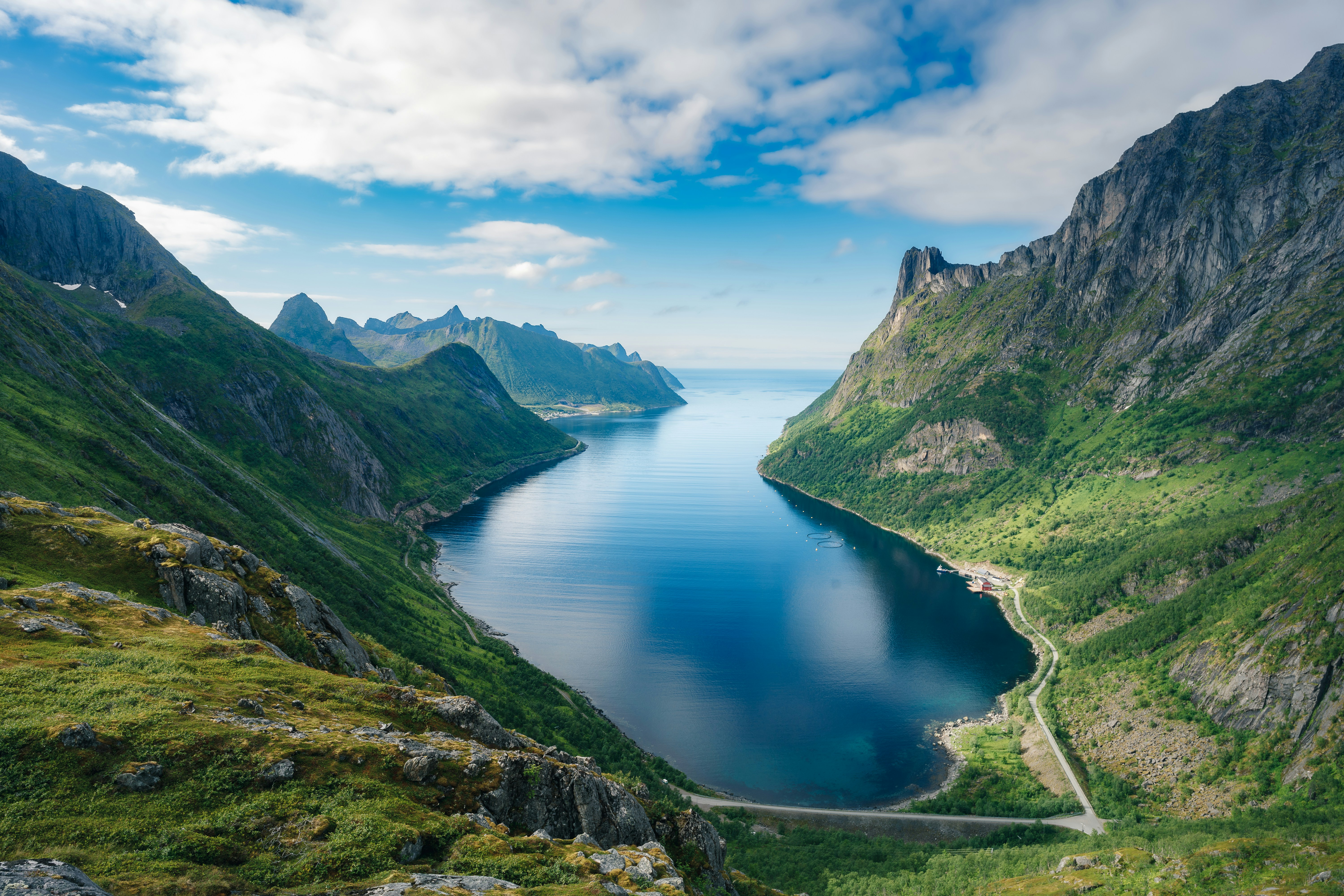
Open profileScandinavian Mountains
The Scandinavian Mountains usually mean broad northern mountain travel where wind, weather, and shelter distance dominate.
Trips often mix plateau walking, huts, cabins, long trails, open ground, and changing visibility.
Hiking or trekkingCamp, lodge, or expedition-style travel
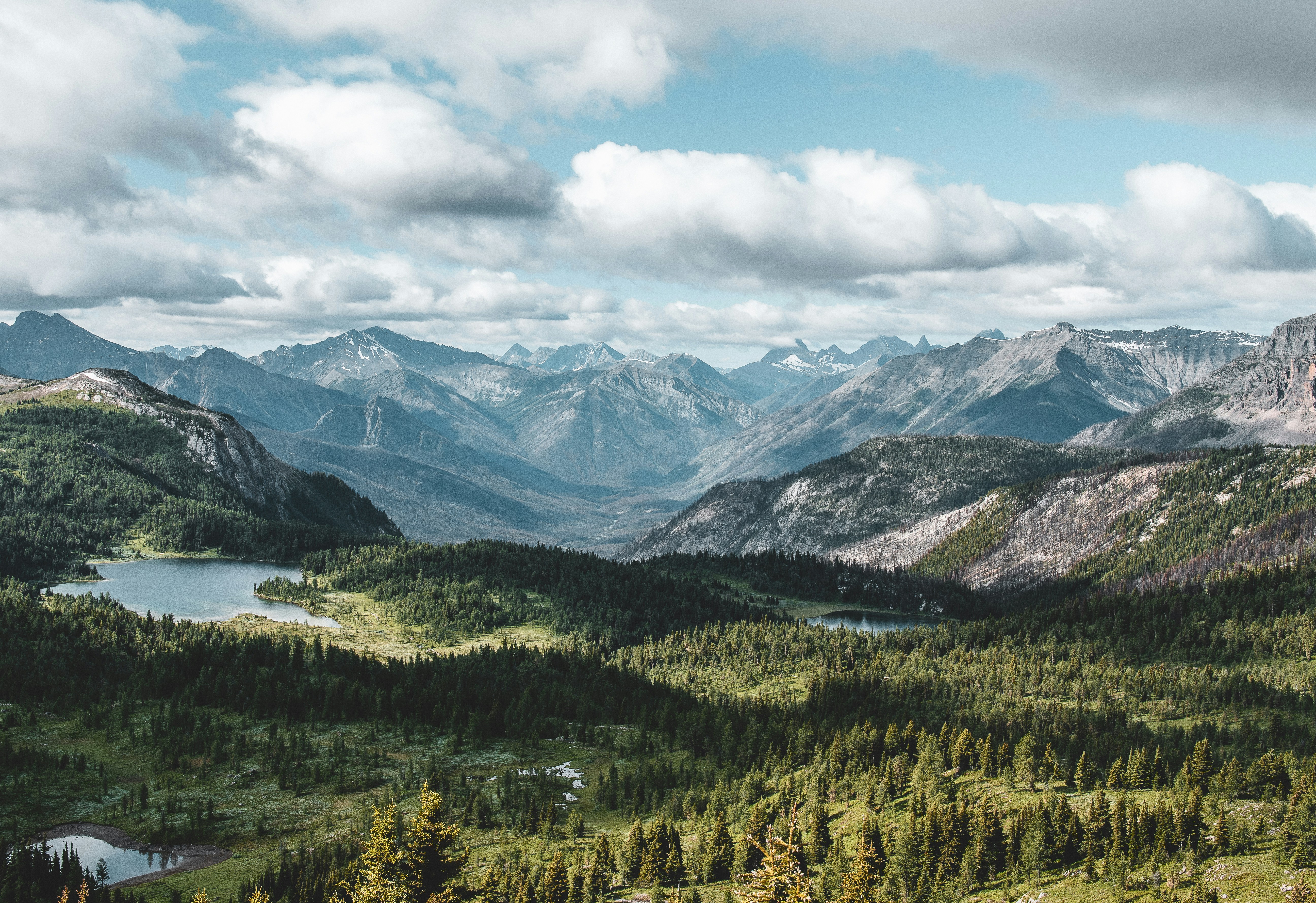
Open profileUS Rockies
The US Rockies usually mean accessible high mountain travel where altitude, storms, and long returns shape the day.
Trips often mix trailheads, roads, parks, ridges, passes, wildlife, and long exposed walking.
Hiking or trekkingMountain travel
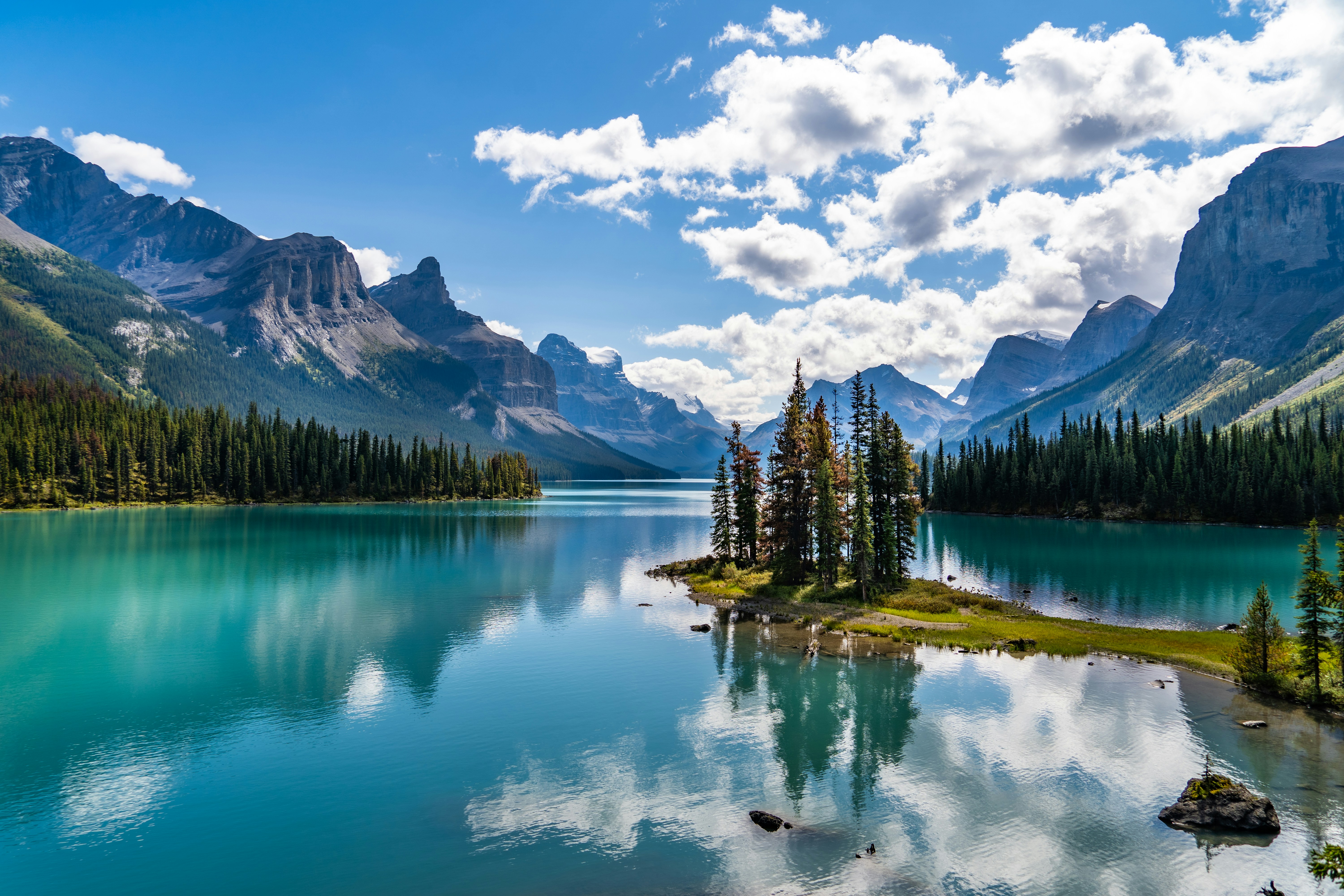
Open profileCanadian Rockies
The Canadian Rockies usually mean cold, large-scale mountain travel with glaciers, wildlife, and long exposed days.
Trips often mix roads, lakes, viewpoints, hikes, glaciers, wildlife, and colder mountain weather.
Mountain travelScenic road-based travel
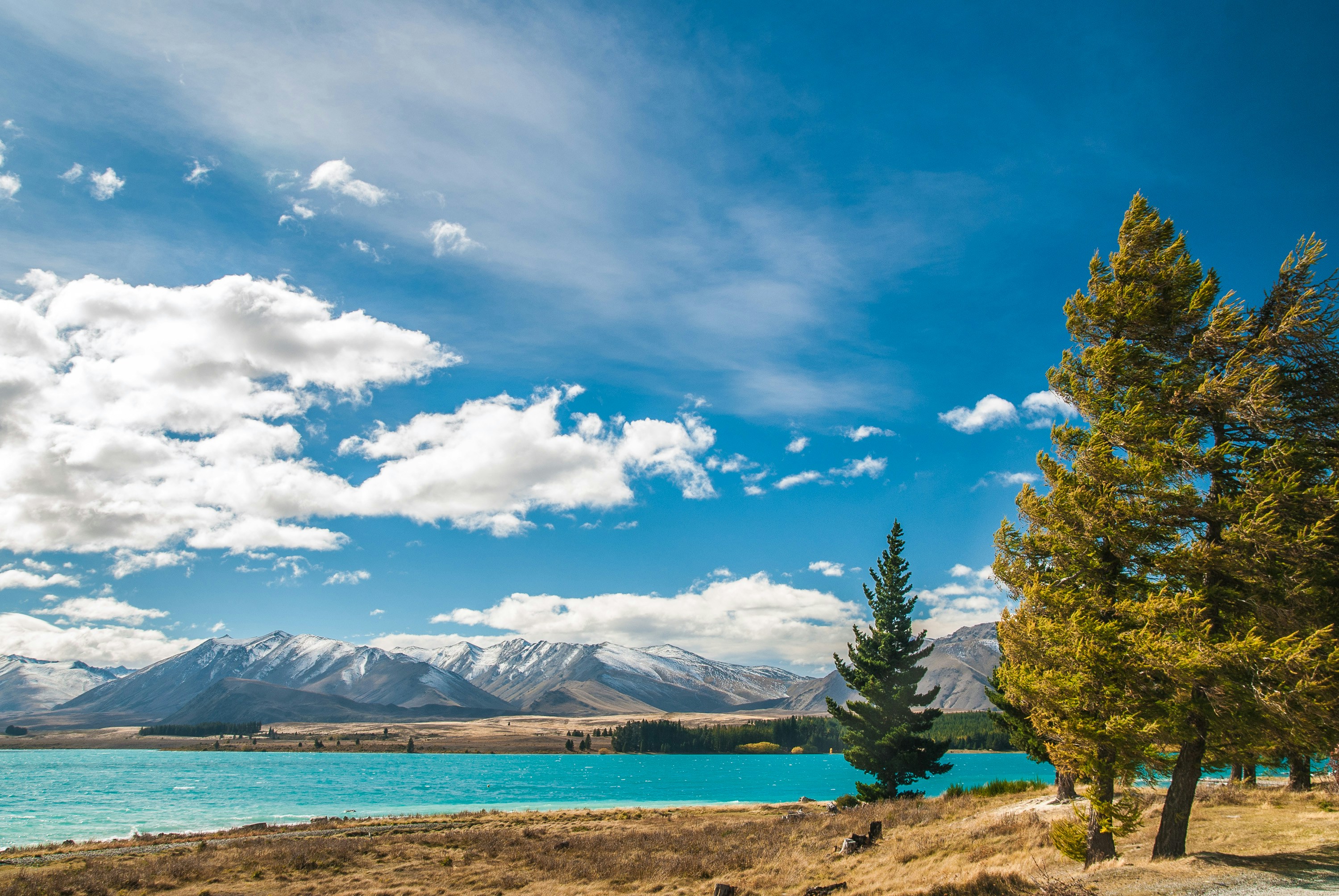
Open profileNew Zealand South Island mountain trip
New Zealand South Island mountain trips usually mean wet, fast-changing terrain with river, wind, and route exposure.
Trips often mix tracks, huts, road access, alpine passes, rain, river valleys, and exposed ridges.
Mountain travelHiking or trekking
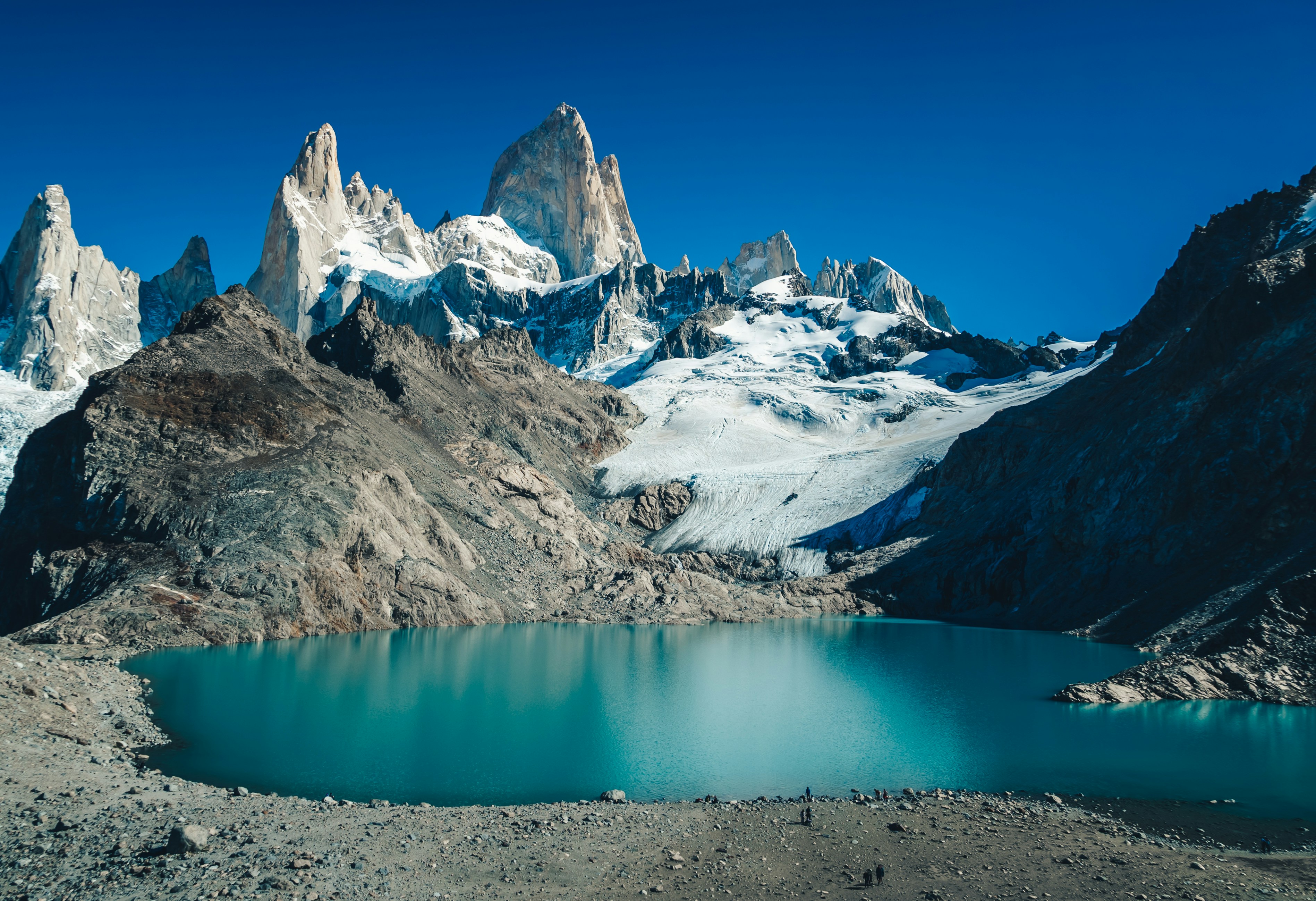
Open profilePatagonia mountain trip
Patagonia usually means windy mountain travel where weather, exposure, and long open approaches shape the trip.
Trips often mix trekking, road transfers, viewpoints, camps, glaciers, lakes, and exposed valley travel.
Mountain travelHiking or trekking
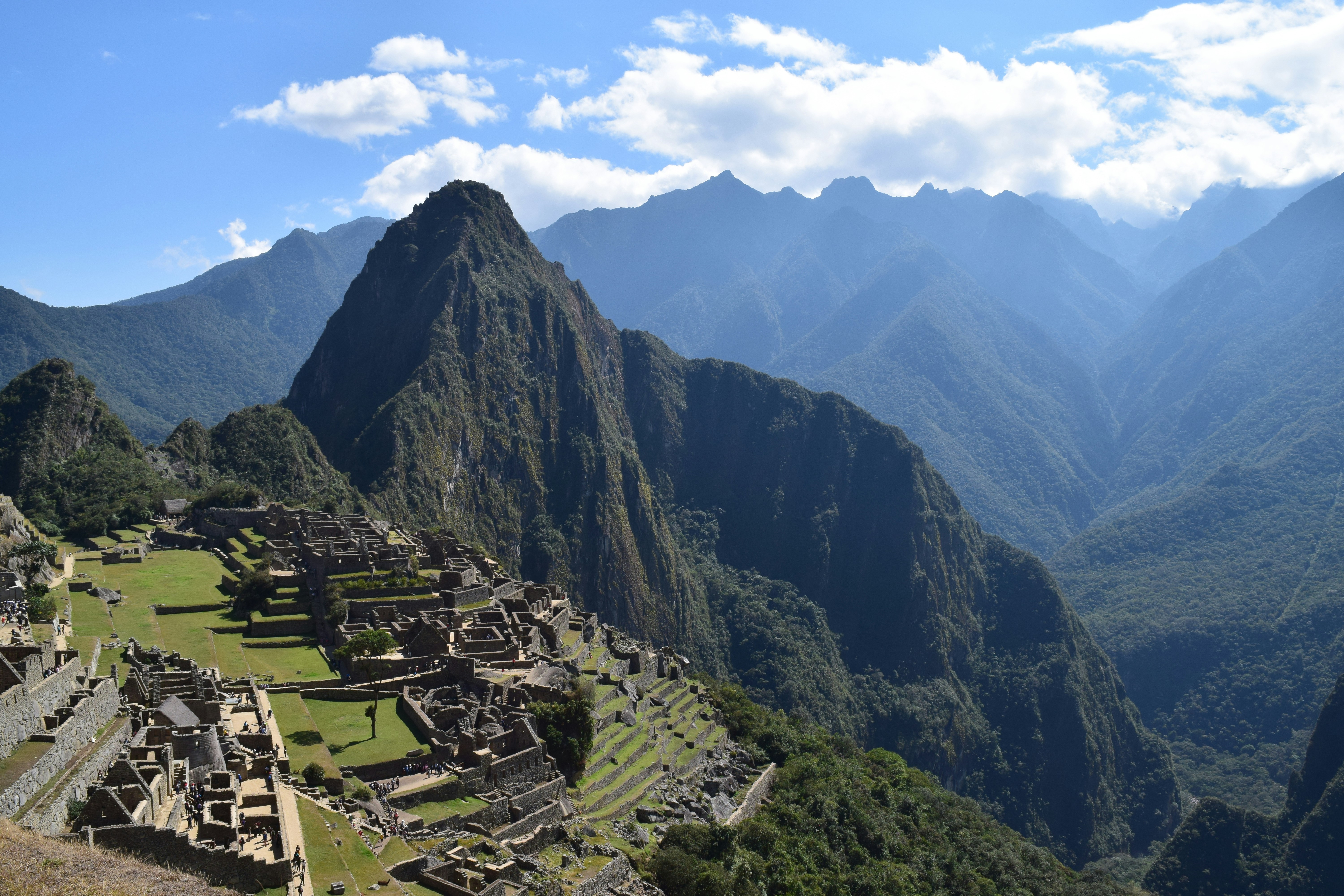
Open profileCentral Andes high mountains
The Central Andes usually mean high, dry mountain travel where altitude and solar exposure shape everything.
Trips often mix volcanoes, high passes, camps, dry valleys, field sites, and exposed high ground.
Mountain travelCamp, lodge, or expedition-style travel
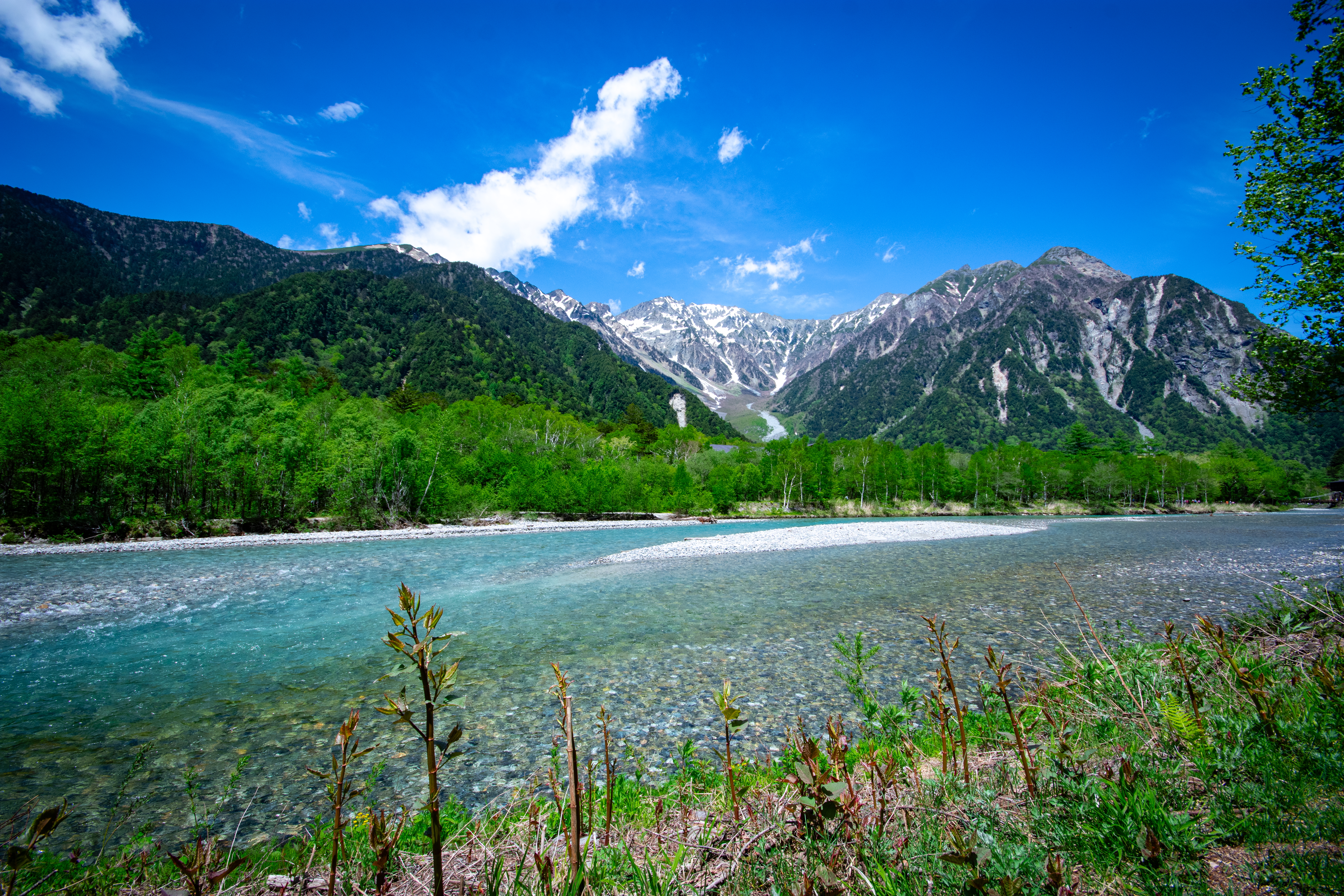
Open profileJapan mountain trip
A Japan mountain trip usually means season-shaped mountain travel with humidity, snow, rain, and route culture.
Trips often mix huts, ridges, forests, volcanic ground, trains, onsen bases, and sharp seasonal changes.
Hiking or trekkingSnow or ice travel
Open profileCaucasus Mountains
The Caucasus usually mean rugged mountain travel where big relief, uneven support, and exposed valleys sit together.
Trips often mix guesthouses, towers, valleys, passes, glaciers, rough tracks, and long mountain stages.
Mountain travelHiking or trekking
Open profileOther Alpine / cold mountain place
Other Alpine place covers cold mountain trips where weather, altitude, exposure, and shelter spacing matter most.
Trips often mix passes, huts, ridges, roads, valleys, higher terrain, and changing weather.
Mountain travelHiking or trekking
Open profile