
Explore
Canadian Rockies
The Canadian Rockies usually mean cold, large-scale mountain travel with glaciers, wildlife, and long exposed days.
This profile is the quick overview of why people go, what the year changes, and what kind of trip Canadian Rockies usually becomes once you move past the simple version and start planning in detail.
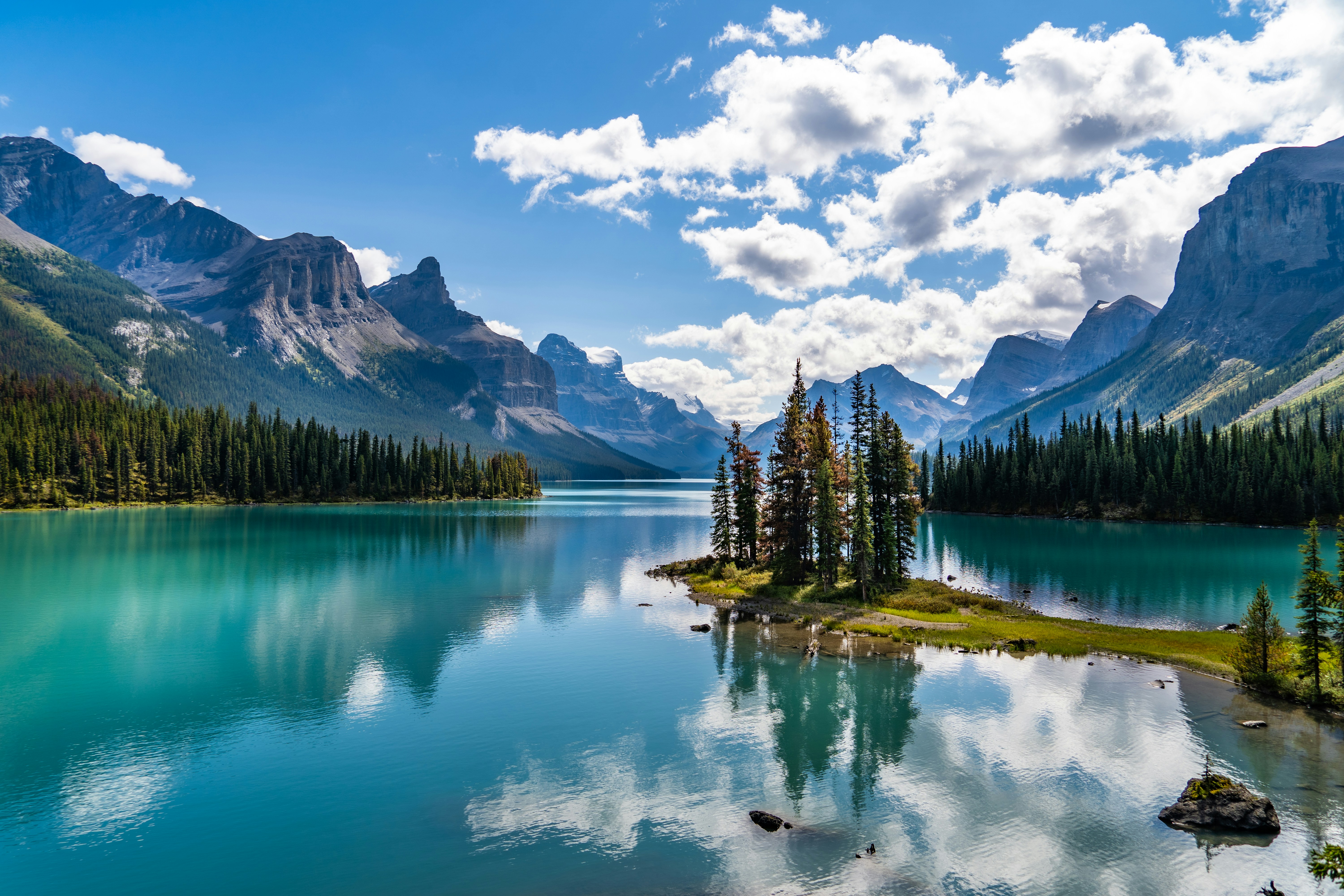
Destination identity
Scale, weather, wildlife caution, and distance from shelter or support determine how demanding the day feels.
- - Plan for colder weather, wildlife protocols, glacial terrain, and long exposed scenic stops.
- - The main calls are route length, layers, bear safety, and how far the day sits from shelter.
Common trip types
These are common ways people approach Canadian Rockies. Use them as starting points, not limits.
In the footsteps of explorers
The Canadian Rockies carry a bigger, colder mountain story than many people first expect: glaciers, passes, wildlife, rail-era access, and a landscape where scale and weather keep mountain travel serious even when the infrastructure looks reassuring.
That is why the Canadian Rockies work best when exposure, distance, weather, and wildlife-aware movement stay ahead of scenic confidence.
Read the full Canadian Rockies storyYear and seasonality context
This is the broad year overview for Canadian Rockies. Use it to see when the place becomes easier, when it becomes more limited, and when it starts asking for a different style of trip.
Select a season to preview that part of the year. The season will carry into the guide or planner when you move on.