
Explore
Kalahari drylands
The Kalahari usually means open drylands travel where wildlife, heat, low cover, and waiting time define the structure of the day.
This profile is the quick overview of why people go, what the year changes, and what kind of trip Kalahari drylands usually becomes once you move past the simple version and start planning in detail.
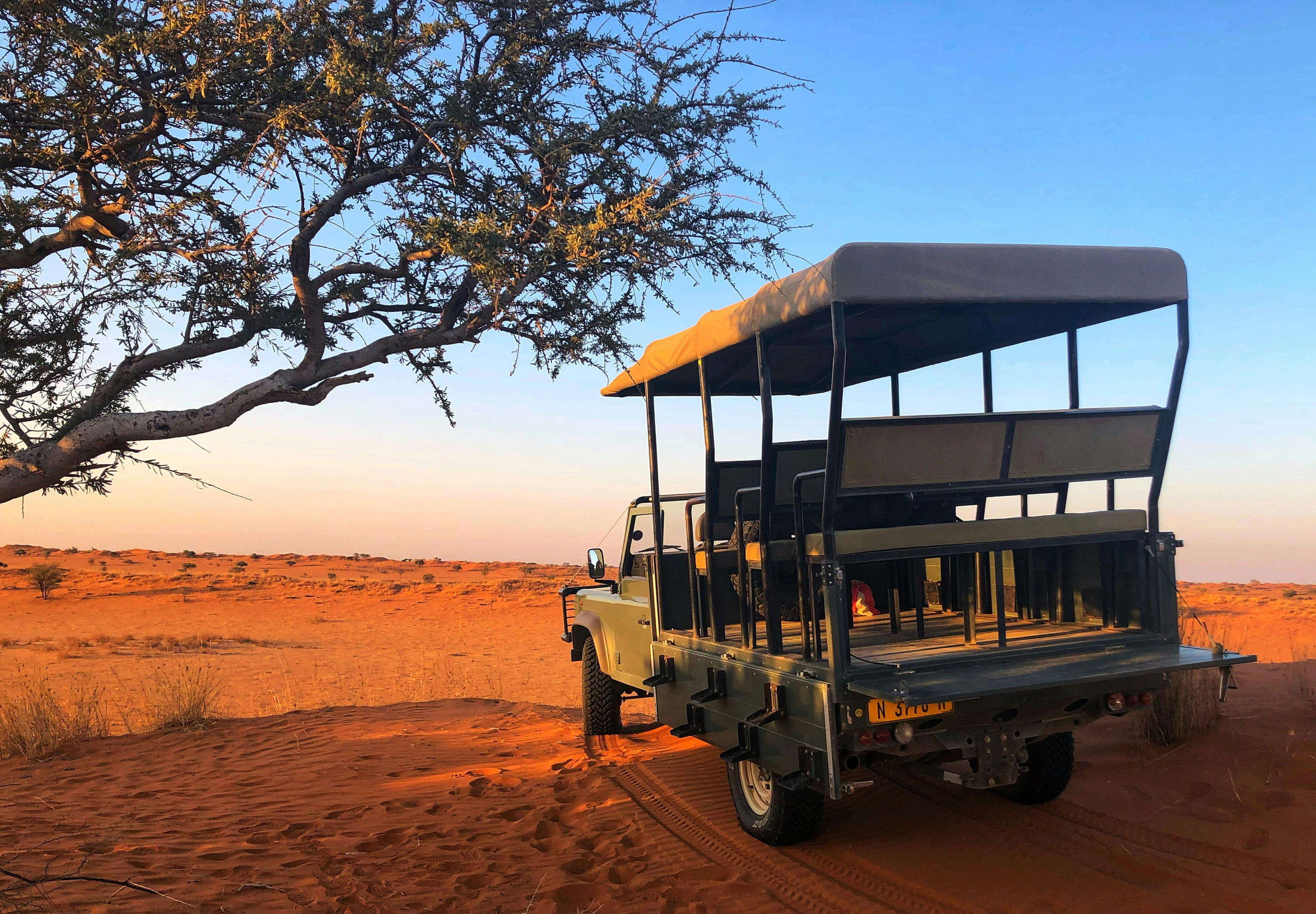
Destination identity
Heat, low shade, dust, wildlife timing, and static observation drive the practical plan.
- - Plan for water, sun, dust, low cover, and long waits away from easy cooling.
- - The key decisions are viewing timing, shade access, clothing, and how support handles slow hot hours.
Common trip types
These are common ways people approach Kalahari drylands. Use them as starting points, not limits.
In the footsteps of explorers
The Kalahari tells a different desert story from the great rock-and-dune spectacles: drier grasslands, sand, wildlife movement, open heat, and long low-exposure burden rather than purely dramatic terrain. It is subtle at first glance and demanding over time.
That is why Kalahari travel still turns on heat, distance, water, and how much of the day sits out in open country.
Read the full Kalahari storyYear and seasonality context
This is the broad year overview for Kalahari drylands. Use it to see when the place becomes easier, when it becomes more limited, and when it starts asking for a different style of trip.
Select a season to preview that part of the year. The season will carry into the guide or planner when you move on.