
Explore
Patagonia mountain trip
Patagonia usually means windy mountain travel where weather, exposure, and long open approaches shape the trip.
This profile is the quick overview of why people go, what the year changes, and what kind of trip Patagonia mountain trip usually becomes once you move past the simple version and start planning in detail.
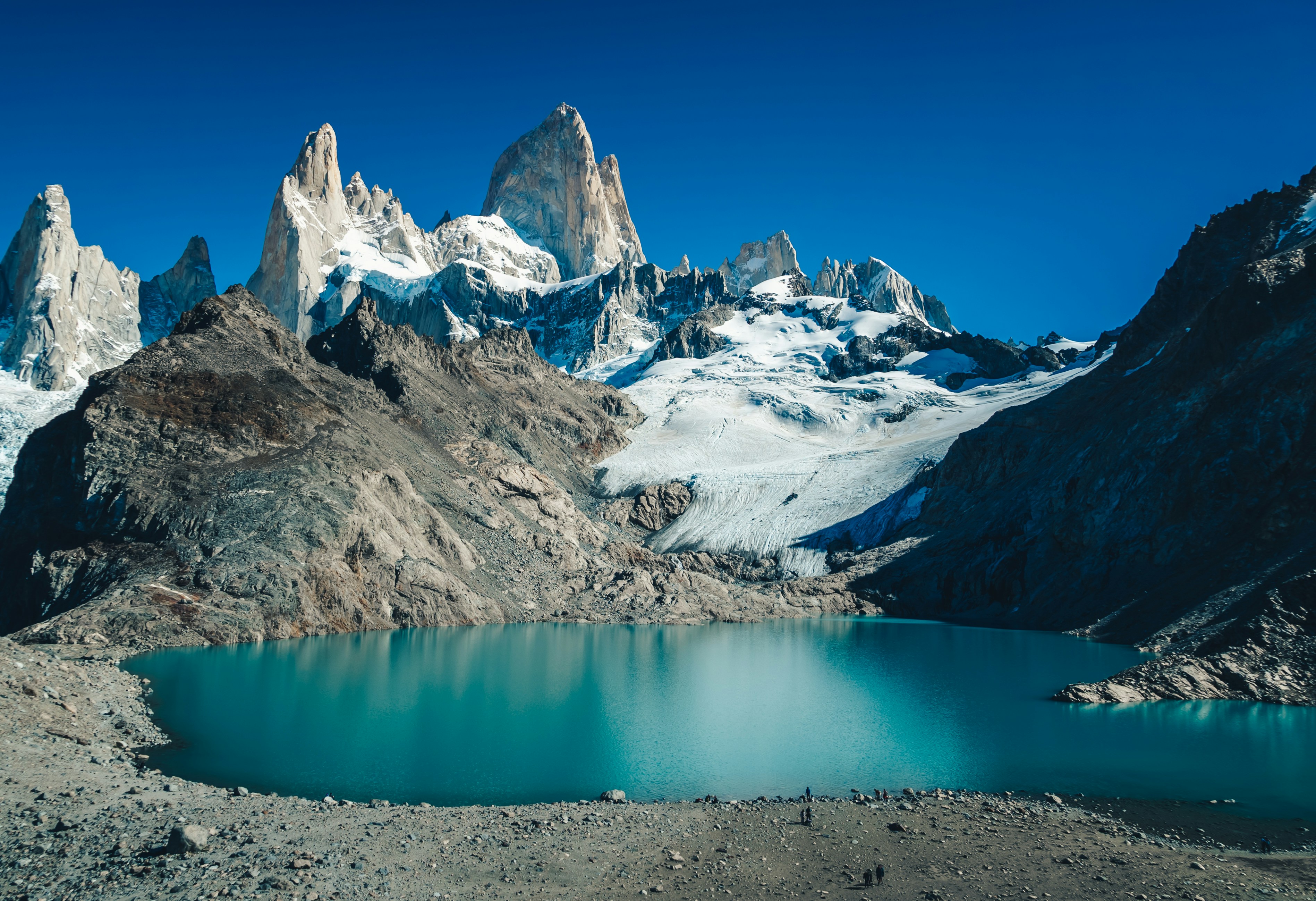
Destination identity
Wind, changing weather, long approaches, and static scenic stops shape the day more than distance alone.
- - Plan for strong wind, cold rain, exposed pauses, and long gaps between easy shelter.
- - Work out shell choice, timing, shelter strategy, and how much daylight the route needs.
Common trip types
These are common ways people approach Patagonia mountain trip. Use them as starting points, not limits.
In the footsteps of explorers
Patagonia has long lived in the imagination as the far south of wind, distance, and hard light. Exploration, natural history, climbing mythology, and trekking culture all helped make it famous, but the place has always been less gentle than the dream version suggests.
That still defines the trip. In Patagonia, the burden usually comes less from technical complexity than from wind, exposure, and how long the day really sits outside shelter.
Read the full Patagonia storyYear and seasonality context
This is the broad year overview for Patagonia mountain trip. Use it to see when the place becomes easier, when it becomes more limited, and when it starts asking for a different style of trip.
Select a season to preview that part of the year. The season will carry into the guide or planner when you move on.