
Explore
Scandinavian Mountains
The Scandinavian Mountains usually mean broad northern mountain travel where wind, weather, and shelter distance dominate.
This profile is the quick overview of why people go, what the year changes, and what kind of trip Scandinavian Mountains usually becomes once you move past the simple version and start planning in detail.
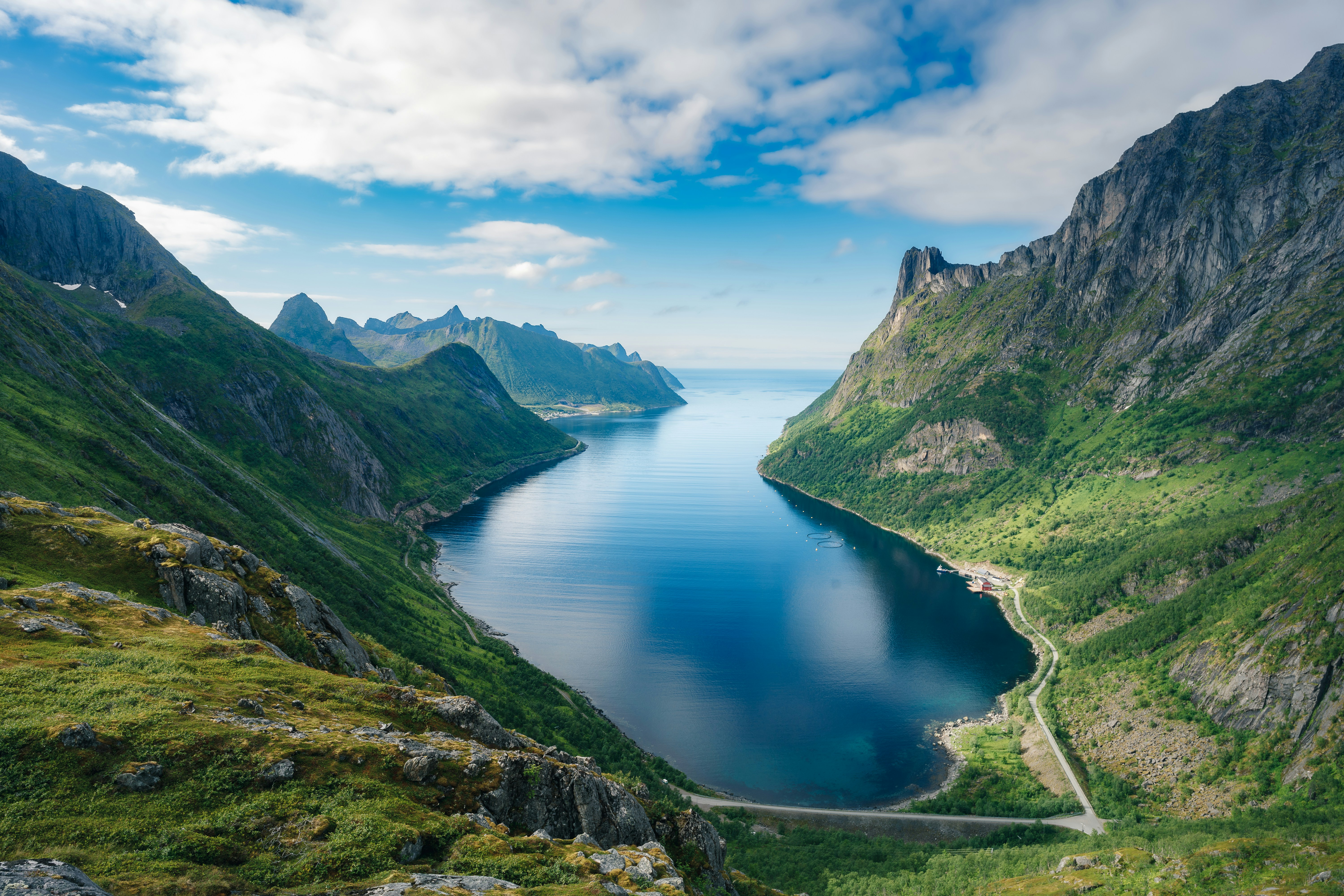
Destination identity
Wind, weather, distance between shelter, and broad exposed terrain control how forgiving the trip is.
- - Plan for open-ground weather, navigation, shelter spacing, and long movement without easy cover.
- - The plan needs to account for route length, hut reliance, clothing, and poor visibility.
Common trip types
These are common ways people approach Scandinavian Mountains. Use them as starting points, not limits.
In the footsteps of explorers
The Scandinavian Mountains tell a broader northern mountain story of passage, weather, tundra, snow, and long-distance movement rather than one of extreme altitude. They are shaped by exposure, remoteness, and the rhythm of open country more than by iconic summit drama.
That is why weather, shelter distance, and open-ground burden matter more here than elevation or trail quality alone.
Read the full Scandinavian Mountains storyYear and seasonality context
This is the broad year overview for Scandinavian Mountains. Use it to see when the place becomes easier, when it becomes more limited, and when it starts asking for a different style of trip.
Select a season to preview that part of the year. The season will carry into the guide or planner when you move on.