
Explore
US Rockies
The US Rockies usually mean accessible high mountain travel where altitude, storms, and long returns shape the day.
This profile is the quick overview of why people go, what the year changes, and what kind of trip US Rockies usually becomes once you move past the simple version and start planning in detail.
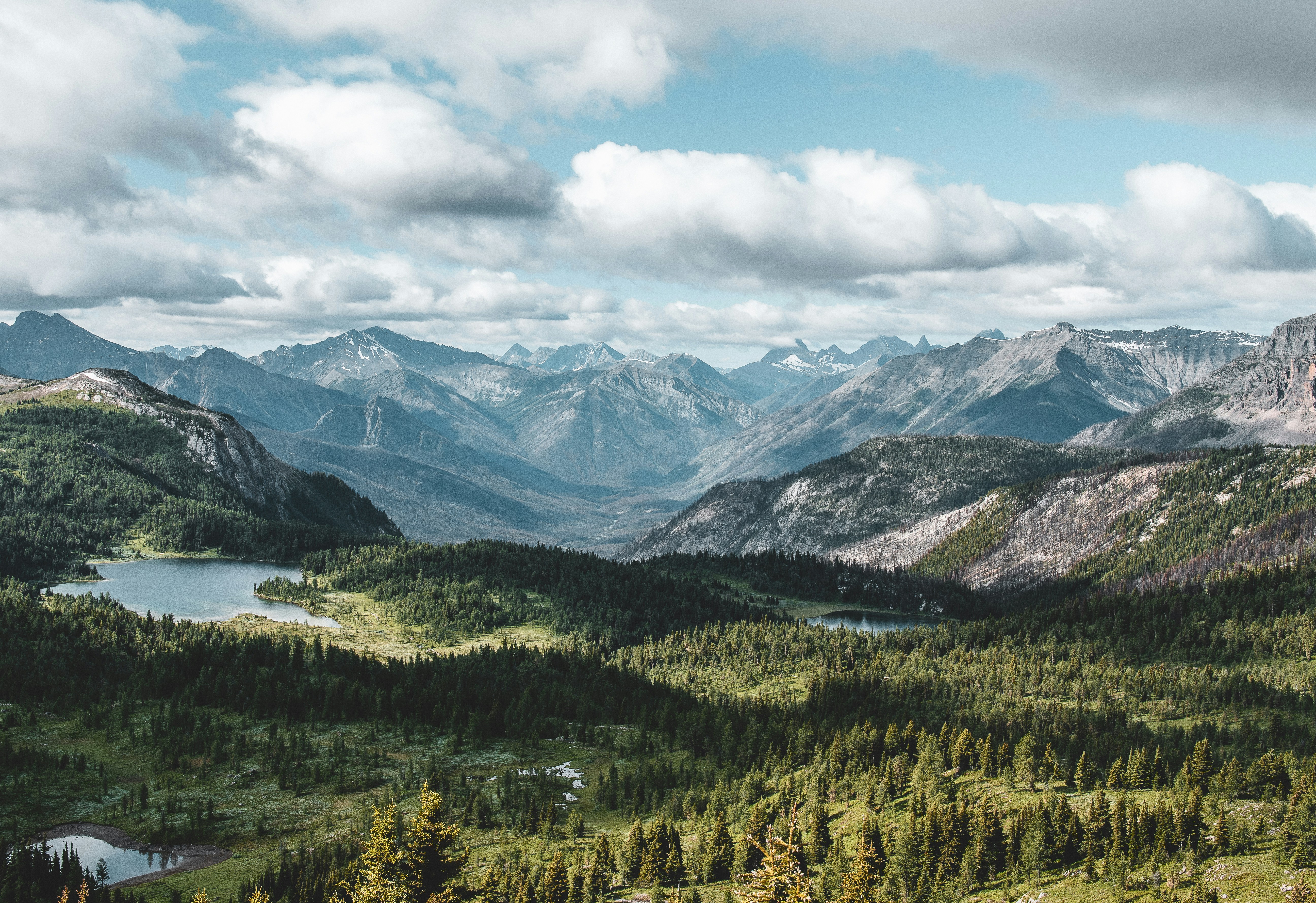
Destination identity
Altitude, afternoon weather, route length, and retreat distance determine how manageable the day feels.
- - Plan for altitude, storm timing, sun exposure, wildlife, and how long the return takes.
- - Prioritise start time, route height, water, layers, and a clear turnaround point.
Common trip types
These are common ways people approach US Rockies. Use them as starting points, not limits.
In the footsteps of explorers
The US Rockies carry a frontier mountain story of passes, parks, hunting routes, rail-era imagination, and broad upland space. They are a place where altitude, weather, and distance work together in ways that can look manageable until the day starts stretching out.
That still matters because the US Rockies reward people who think clearly about altitude, storms, and how exposed the day becomes once easy shelter drops away.
Read the full US Rockies storyYear and seasonality context
This is the broad year overview for US Rockies. Use it to see when the place becomes easier, when it becomes more limited, and when it starts asking for a different style of trip.
Select a season to preview that part of the year. The season will carry into the guide or planner when you move on.